Games
Introducing Slideword: Five Words, One Slide at a Time
Meet Slideword, our daily word puzzle. Slide whole rows and columns of a 5×5 grid until every row spells a word. How it works, Easy vs Hard, and a tip.
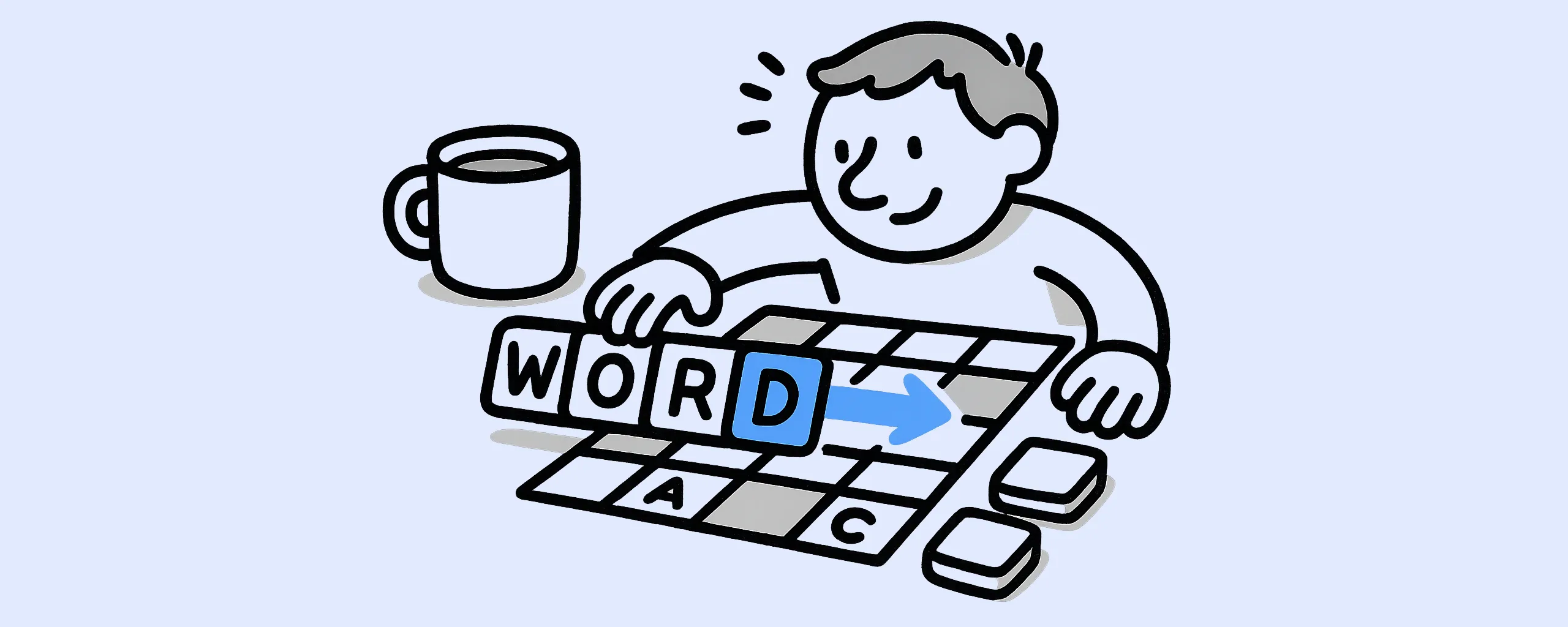
There's a small, stubborn pleasure in sliding something into place. A drawer that finally shuts, a book pushed flush with the shelf, the last piece of a sliding puzzle clicking home. Slideword is built around that pleasure, stretched across a grid and wired to a clock. It hands you twenty-five scrambled letters and asks you to slide them — whole rows and columns at a time — until five hidden words line up across the board.
If you've played a word game before, the goal will feel familiar; the way you get there will not. You're not typing guesses and you're not filling in blanks. You're physically rearranging a 5×5 grid, one slide at a time, watching the letters drift and wrap until the chaos resolves into five clean rows.
How Slideword works
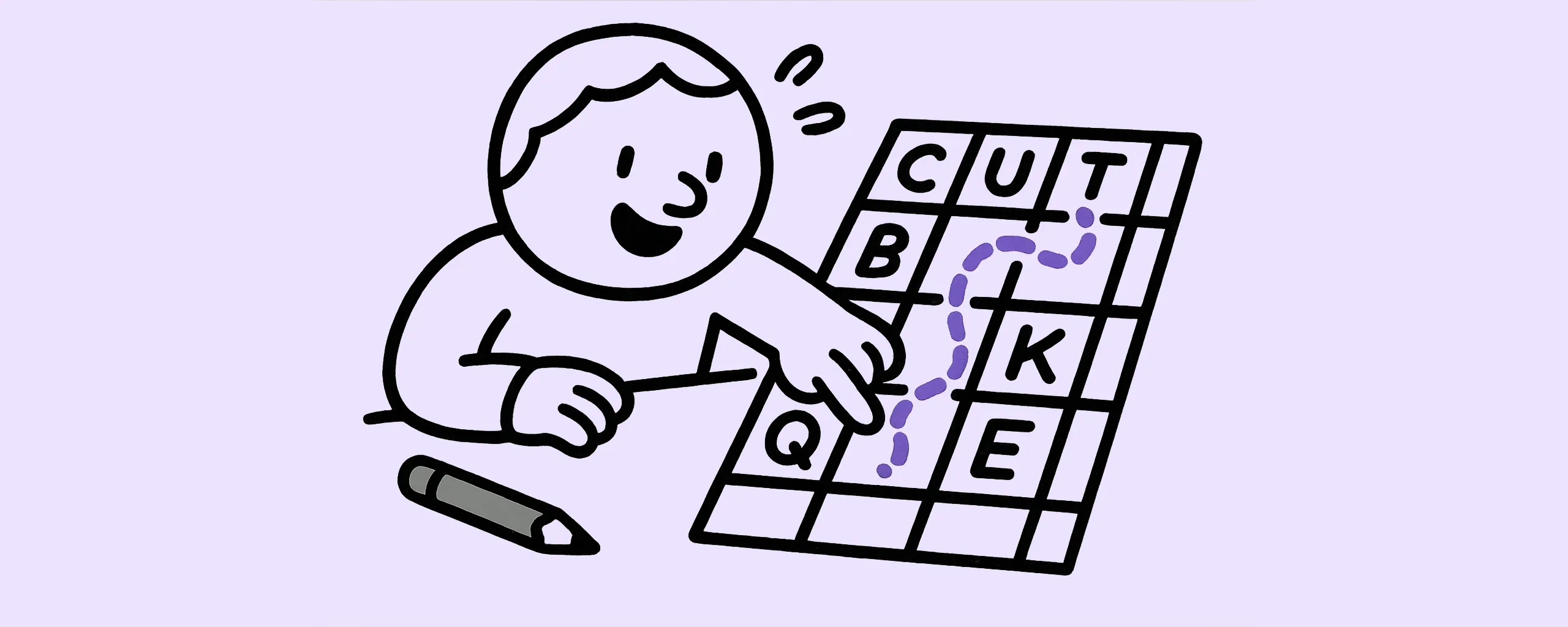
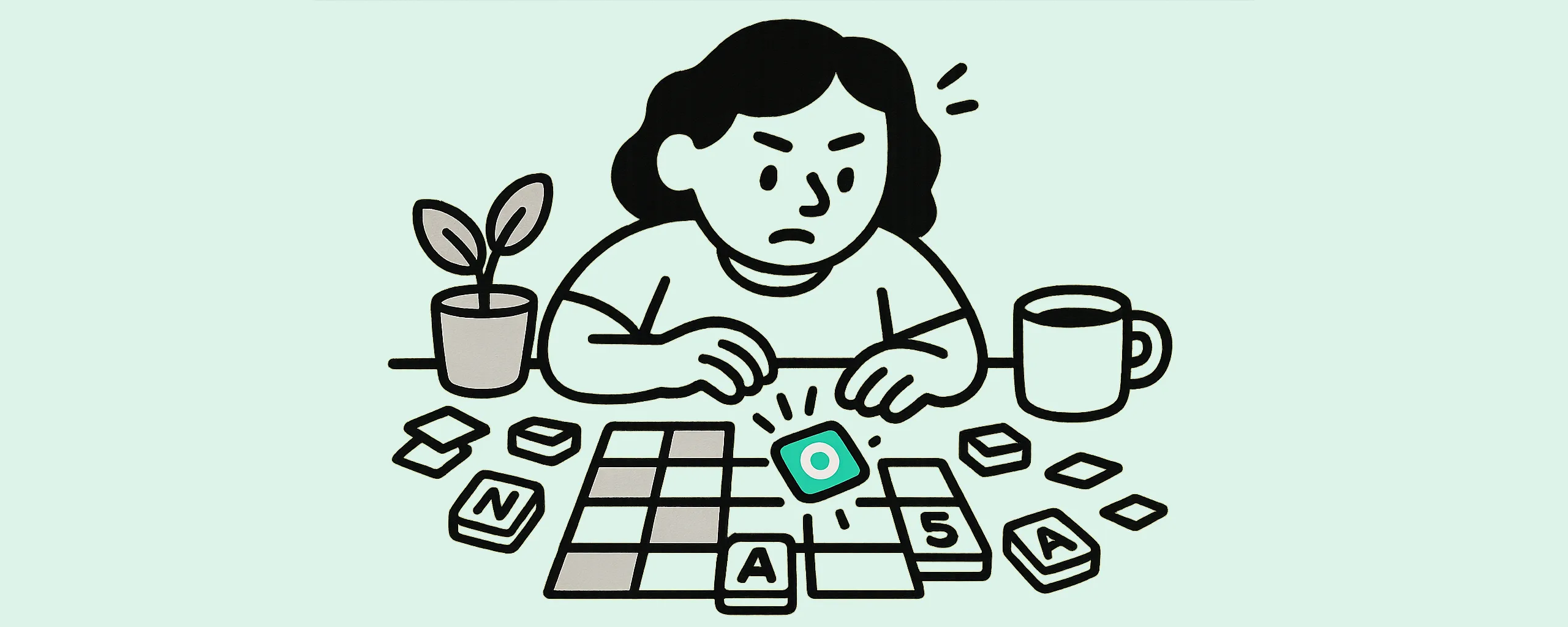
Every day you get a 5×5 grid of letters, scrambled. Hidden inside are five everyday words, and your job is to get each one to land across a row, reading left to right. You don't move letters one at a time. Instead you slide a whole line: push a row left or right, or nudge a column up or down. Tiles that fall off one edge wrap around to the other, so nothing is ever lost — it just comes back around. Tap a cell (or tab to it) and the arrow keys walk your cursor around the board.
The catch, and the fun, is that every slide moves five letters at once. Fixing one row can scramble another. Good solving is less about brute force and more about finding the order of operations — the sequence of slides that locks one word into place without wrecking the next.
A row that spells a real word turns green. Only rows count: a word reading down a column doesn't score (in Hard mode it flashes amber, a little "right word, wrong direction" wink). Get all five rows green and you've solved it.
The clock is the score
Slideword is timed, but gently. Nothing starts until you press Start, and the clock only runs while you're actually playing — step away and it pauses itself, so a phone call or a closed tab never costs you. Your time is your score. There's no move limit and no penalty for a messy path; the only question is how quickly you can bring order out of the scramble. Beat your own time today, then come back and try to beat it tomorrow.
Stuck? The clues are right there
Under the board sit five clues, one per word, each answer hidden behind a bar. "To put in a packing box." "To respect." You can solve the whole thing on instinct, reading the letters and trusting your vocabulary — or, when a word just won't come, tap a bar to reveal it as a hint. Hints are always available and always your call: use none and feel clever, or use one to break a logjam and keep moving. The game simply keeps a quiet count.
Easy and Hard, your choice
Slideword comes in two temperaments. In Easy, once a row spells a word you can lock it from the rail beside the board — a tap on the padlock freezes those letters in place so they hold still while you slide everything else around them. It turns the puzzle into something you build up one word at a time. Hard mode strips the locks away: nothing holds still, and all five rows have to be correct at the very same instant. It's the difference between laying a wall brick by brick and balancing the whole thing in one satisfying alignment. Switch between them with the Easy/Hard toggle whenever you like.
And if you ever land all five words at once, in a single slide — that's a Bingo, the rare and delicious moment when one move tips the entire board into place.
A word about the words
The answers are drawn from a hand-trimmed pool of common five-letter words — the kind you actually know, with the obscure Scrabble-bait filtered out — each paired with a plain-language clue. One puzzle a day, the same grid for everyone, printed fresh at midnight Eastern. When you solve it you can share a spoiler-free grid of greens and your time, then compare with whoever you can talk into playing.
One tip to start
Resist the urge to chase all five words at once. Pick the row that looks closest to done, get it green first, and then — in Easy — lock it and work outward, treating each finished word as a fixed wall the rest of the grid has to flow around. In Hard, do the same thinking in your head: solve the edges first, since they have the fewest ways to go wrong, and save the crossing middle for last. Order of operations beats raw speed every single time.
Slideword is live now. Slide a few rows, watch a word snap into place, and see how fast you can untangle today's grid.