Mindfulness
Build a Puzzle Habit Without Guilt (Even If You Miss Days)
Build a daily puzzle habit without guilt. How to beat streak pressure, recover from a broken streak, and keep playing even when you miss days.
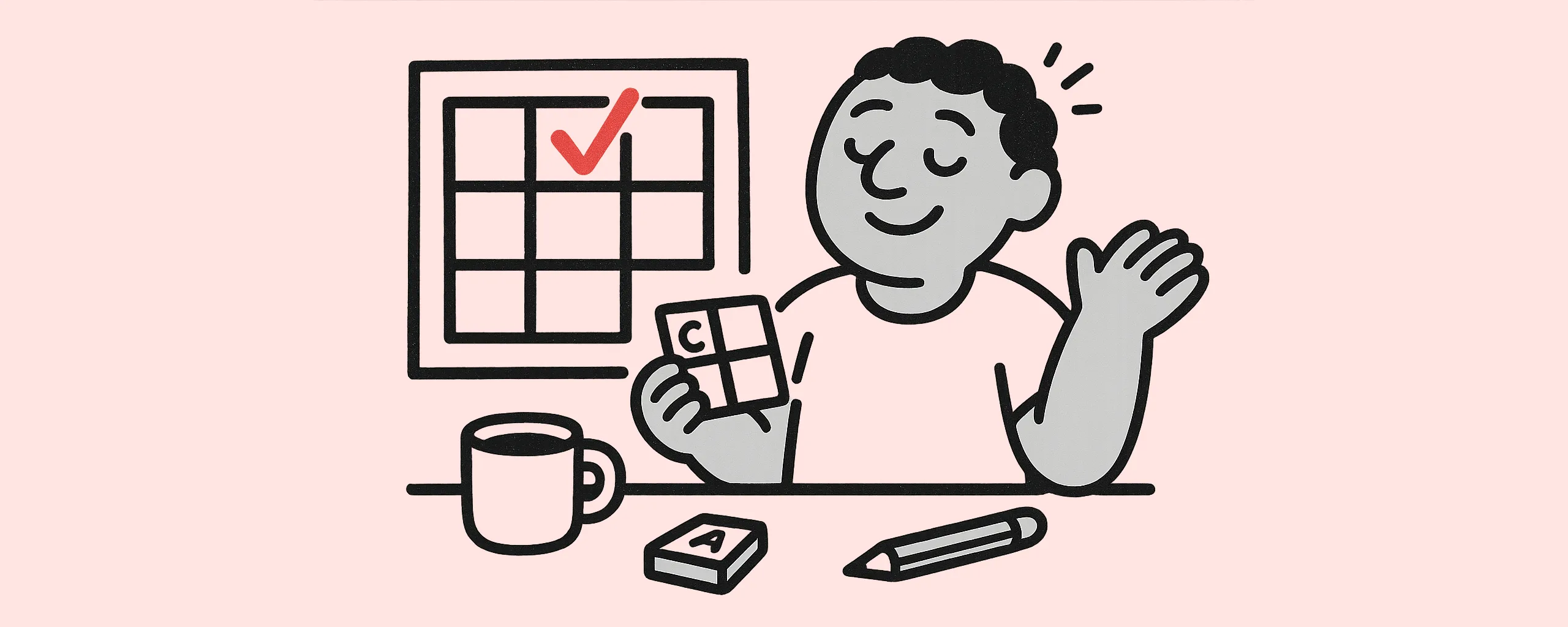
Here's a familiar little tragedy. You start a fun daily habit, you string together a nice streak, you feel great about it, and then one ordinary Tuesday life gets in the way and you miss a day. And instead of just picking it back up, you feel a flush of guilt, the streak is broken, the spell is broken, and somehow you never go back. The habit didn't die because it stopped being fun. It died because missing once felt like failing.
Let's fix that, because a puzzle habit should add joy to your life, not a new way to feel bad.
The streak trap
Streaks are a clever motivational trick, and for a while they genuinely help. The growing number gives you a reason to show up, and showing up is the whole game early on. But streaks have a dark side: they quietly turn a pleasure into an obligation. At some point you're not playing because you want to. You're playing because you can't bear to break the chain.
And the moment that chain does break, as it always eventually will, the streak's motivational magic flips into pure guilt. The thing that was pushing you forward is now the thing making you avoid the game entirely, because going back means staring at a zero where your proud number used to be. The fix isn't to chase ever-longer streaks. It's to loosen your grip on them.
Missing a day is part of the habit, not a betrayal of it
Reframe what a "successful" habit even means. A real, durable habit is not an unbroken chain of perfect days. It's a thing you reliably return to. Missing days isn't the failure mode. Missing days and never coming back is. As long as you keep returning, you have the habit, full stop. The gaps are not erasing your progress. They're just part of being a human with a life.
The healthiest daily-puzzle players aren't the ones who never miss. They're the ones who shrug off a missed day and play again the next, with zero drama about it. They've quietly internalized that one skipped morning means absolutely nothing about who they are or whether the habit is "working." It's working. They came back.
How to make returning easy
The trick to a guilt-free habit is to make the comeback frictionless. After a missed day, don't pressure yourself to "make up for it" or recommit with grand intentions. Just play one puzzle. That's it. The bar to return should be so low you can clear it on autopilot, because the hardest part is never the playing. It's the restarting, and guilt is what makes restarting feel heavy.
It also helps to come back with something gentle and immediately satisfying rather than your hardest challenge. Ease back in with Jumble or whatever game gives you a clean, quick win, and let that small success pull you back into the rhythm. Momentum returns faster than you think once you've solved literally anything.
Aim for "most days," not "every day"
The most sustainable target is delightfully relaxed: play most days, and don't sweat the rest. That framing builds in the flexibility real life demands, which paradoxically makes you more consistent over the long run, not less. A habit with room to breathe is a habit that survives busy weeks, sick days, vacations, and all the ordinary chaos that would snap a rigid streak.
So drop the all-or-nothing thinking. Today's puzzle is waiting, and if you missed yesterday, that's genuinely fine. The only day that matters for your habit is this one. Play it, enjoy it, and let the rest go.