Games
Meet Chroma: The Color Game That Clicks All at Once
Meet Chroma, our daily color matching puzzle. Learn how the color game works, why the answer clicks all at once, and one tip to see color better.
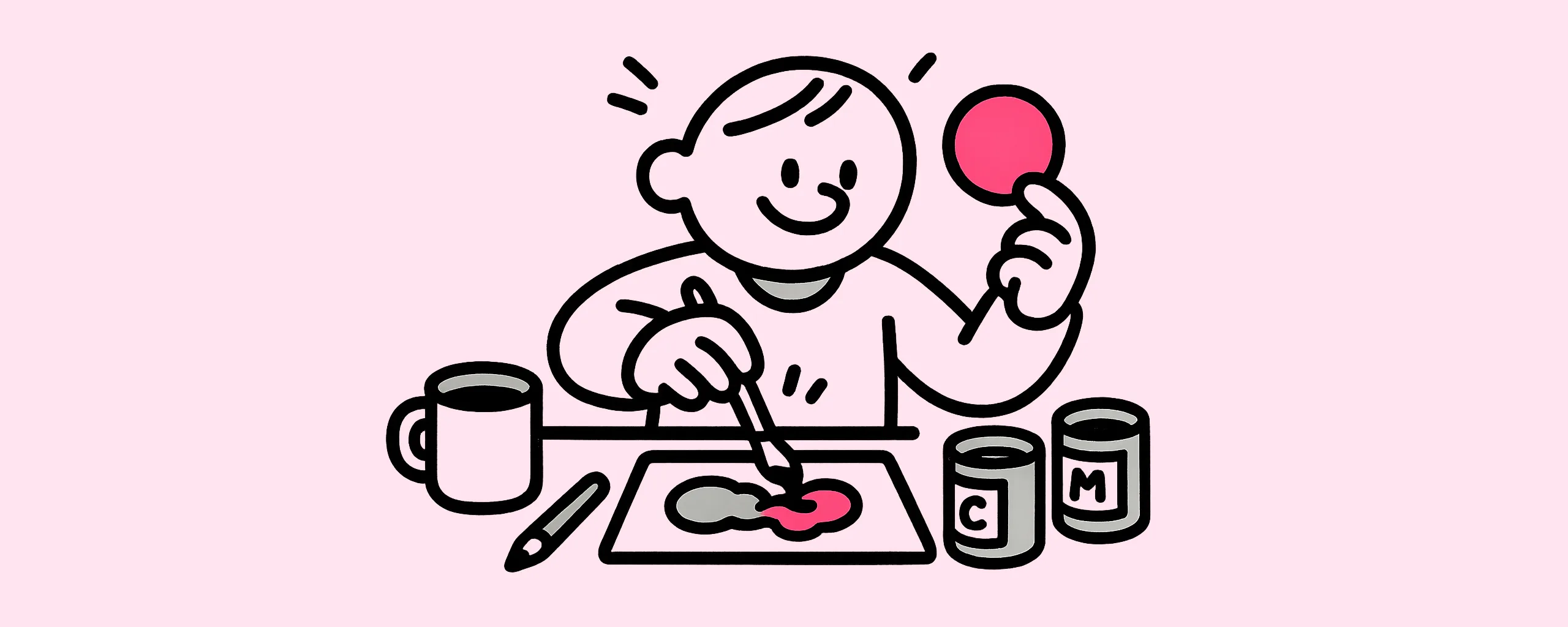
Some puzzles you grind out. You chip away, you check your work, you slowly build toward the answer. Chroma is not that kind of puzzle. Chroma is the kind where you stare, you adjust, you stare some more, and then all at once the whole thing clicks into place and you wonder how you didn't see it a minute ago.
That sudden snap of recognition is the entire appeal, and it's surprisingly addictive.
What Chroma asks of you
At its heart, Chroma is about reading color the way you'd read a sentence. You're given a target and a set of choices, and your job is to find the relationship between them, to tune your perception until the colors line up the way the puzzle intends. It sounds abstract until you actually do it, and then it feels completely natural, because your eyes have been comparing colors your whole life. You just haven't had a scoreboard for it before.
The genius of the format is that color sits in a sweet spot between objective and intuitive. There's a real, correct answer (this is not a vibes contest), but you get there through feel rather than calculation. You're not crunching numbers. You're trusting the same instinct that tells you when two socks don't quite match or when a wall needs a warmer shade.
Why it's so satisfying to play
There's a specific pleasure in puzzles that reward perception instead of knowledge, and Chroma delivers it in a clean daily dose. You can't study for it. You can't memorize your way to a win. Every day you show up with the only tool you need, which is your own eyes, and you find out how sharp they are.
It's also gentle in the best way. There's no timer breathing down your neck and no obscure rule you needed to read first. A new player and a seasoned designer can sit down to the same puzzle, and while the designer might be a hair faster, the experience is the same: that quiet hunt for the moment when everything aligns.
And when it does align, the feeling is genuinely lovely. It's not the grim satisfaction of finishing a chore. It's closer to the little jolt you get when you finally spot the hidden image in one of those old stereograms. The answer was always there. You just had to let your eyes settle into it.
One tip to see color better
Here's the trick that helps most new players: stop staring at one color in isolation and start comparing edges. Color perception is relational, which means your eyes are far better at judging two colors sitting side by side than at judging a single color floating alone. When you fixate on one swatch, your eyes actually start to fatigue and drift, and the color seems to shift on you.
So instead, let your gaze bounce between the options and the target, quickly and repeatedly, paying attention to which one feels like the smallest leap. Squinting slightly can help too, because it blurs out the fine detail and leaves you with the raw color relationship, which is exactly what Chroma is testing. You'll often find the right answer reveals itself faster when you look a little less hard.
Add it to your day
Chroma takes under a minute once you know what you're doing, which makes it a perfect companion to a morning coffee or a quick mental reset between tasks. It's the kind of game that quietly trains your eye over weeks, until you start noticing color relationships everywhere, in the gradient of a sunset or the mismatch in a photo filter.
Give your eyes a workout they'll actually enjoy. Play today's Chroma and chase that click, then browse the full daily lineup if you want a few more to round out your routine.