Mindfulness
The Five-Minute Brain Workout You Actually Enjoy
The 5-minute brain workout you'll actually enjoy. Why daily brain training games beat joyless apps, and how to build a quick puzzle habit that sticks.
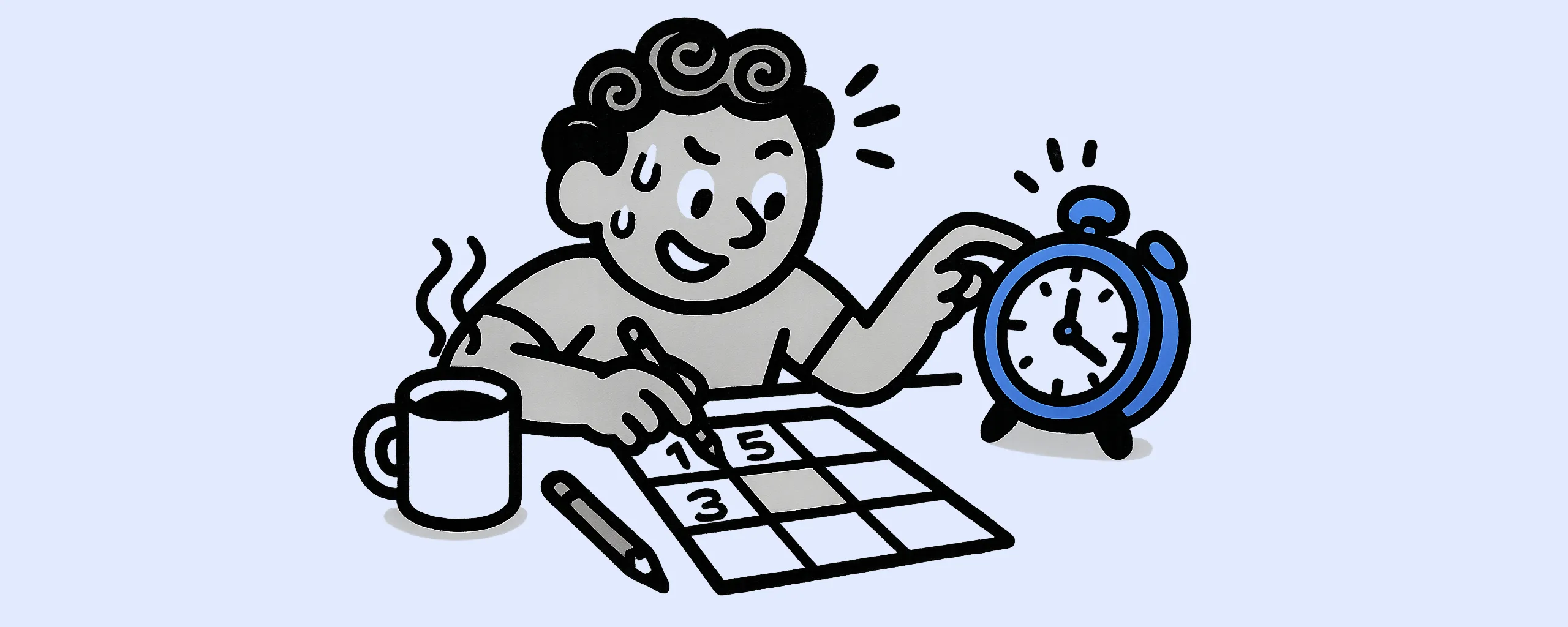
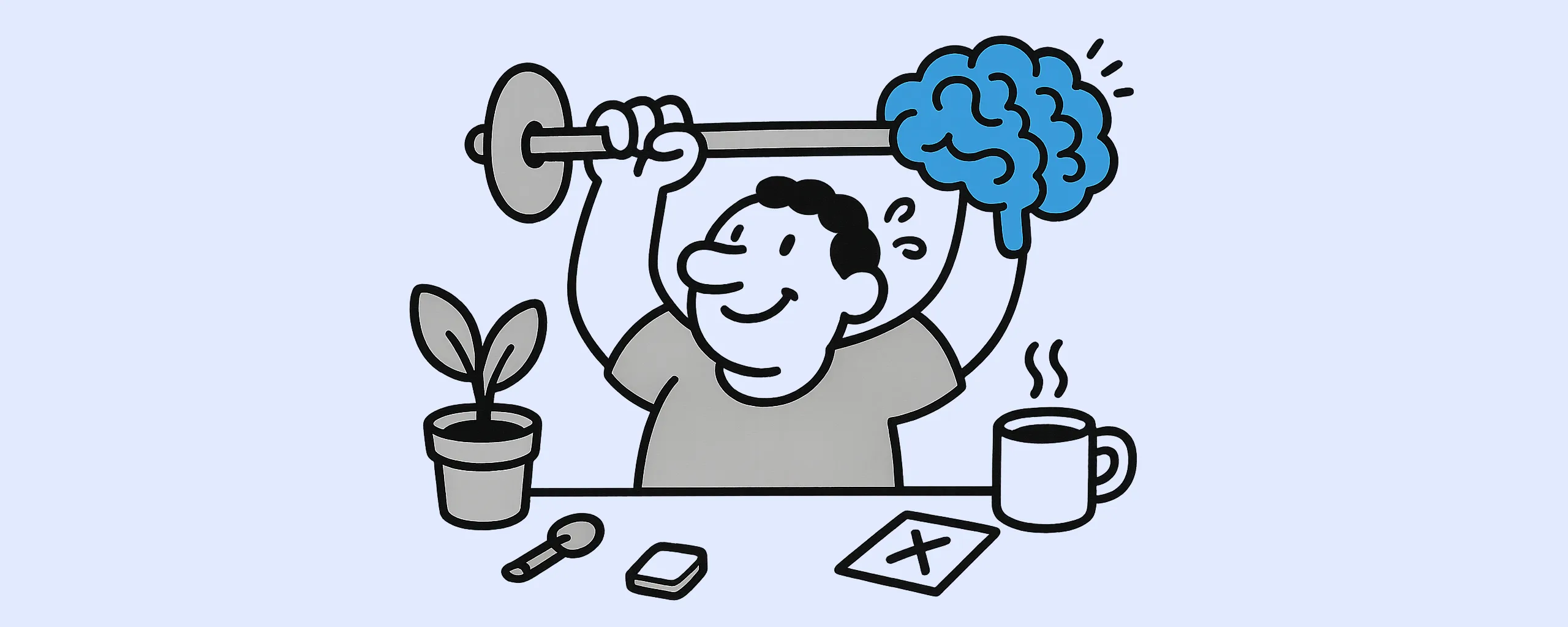
We've all been sold the idea of the brain workout, usually by an app with a stern name and a subscription fee, promising to make us smarter if we just grind through enough flashing exercises. And we've all quietly abandoned those apps, because they feel like homework. Here's the thing nobody tells you: the most effective mental workout is the one you actually want to do, and a good daily puzzle is exactly that.
Why "enjoyable" is the secret ingredient
The dirty secret of any kind of training, mental or physical, is that consistency beats intensity every single time. The perfect workout you do twice and quit does nothing. The decent workout you do every day for a year changes you. So the single most important feature of a brain exercise isn't how scientifically optimized it is. It's whether you'll come back tomorrow.
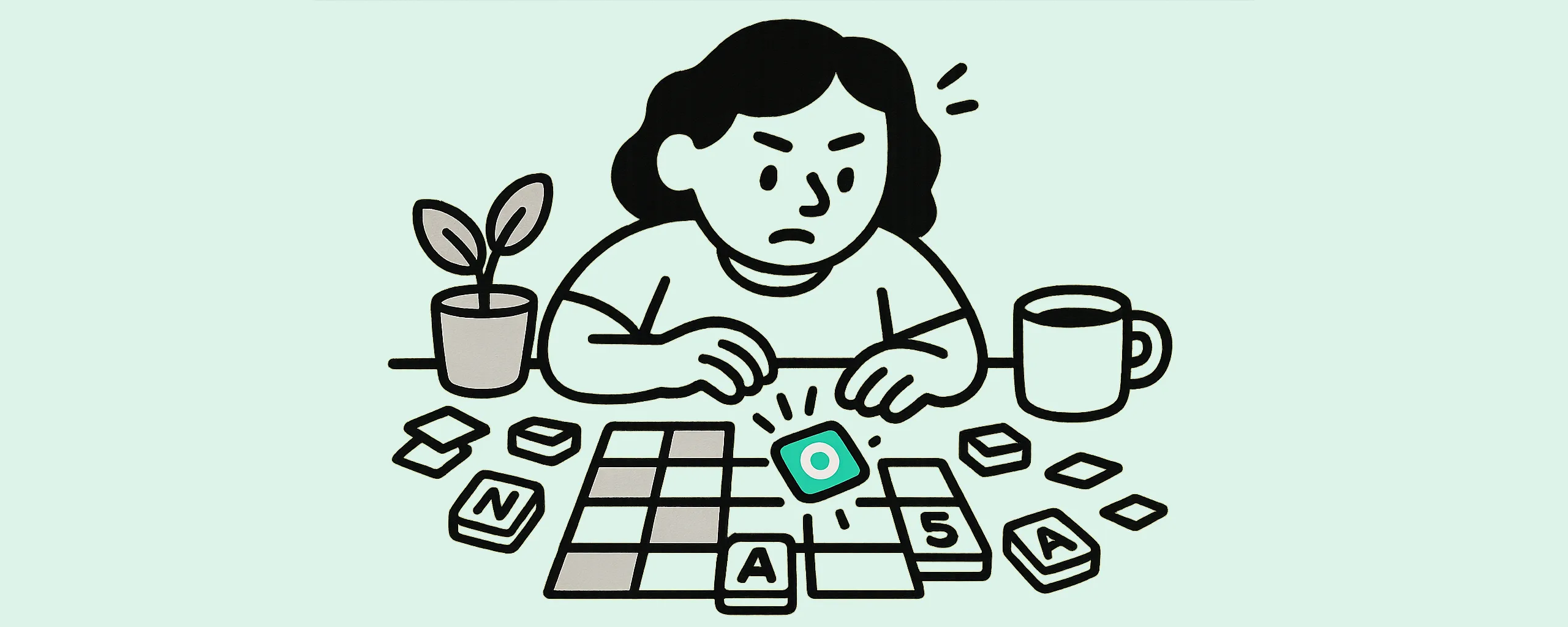
This is where the clinical brain-training apps fail and a good puzzle wins. Nobody looks forward to a glorified memory test. But people genuinely look forward to a round of Wordly, because it doesn't feel like training. It feels like a small, fun challenge with a satisfying payoff. The mental workout is smuggled inside the enjoyment, which is the only way it ever actually happens.
What five minutes is really doing
Don't let the short duration fool you into thinking nothing's happening. In five focused minutes of solving, you're doing real cognitive work: holding information in your head, reasoning through options, switching strategies when one stops working, and pushing through the small frustration of being temporarily stuck. That's a genuine, well-rounded little workout for your attention and your reasoning, and it's over before it ever starts to feel like a chore.
Different puzzles even flex different muscles. A word game leans on your vocabulary and pattern matching. Something like Chroma for a quick visual challenge trains perception and fine discrimination instead. Rotating between a few of them is like cross-training for your head: you never get bored, and you never overwork the same single skill into the ground.
The case against the grind
The old model of self-improvement was all grind, all gritted teeth, all "no pain no gain." But that model quietly assumes you have endless willpower to spend, and you don't. Nobody does. Willpower is a limited budget, and spending it all on a joyless brain drill means you've got nothing left for anything else.
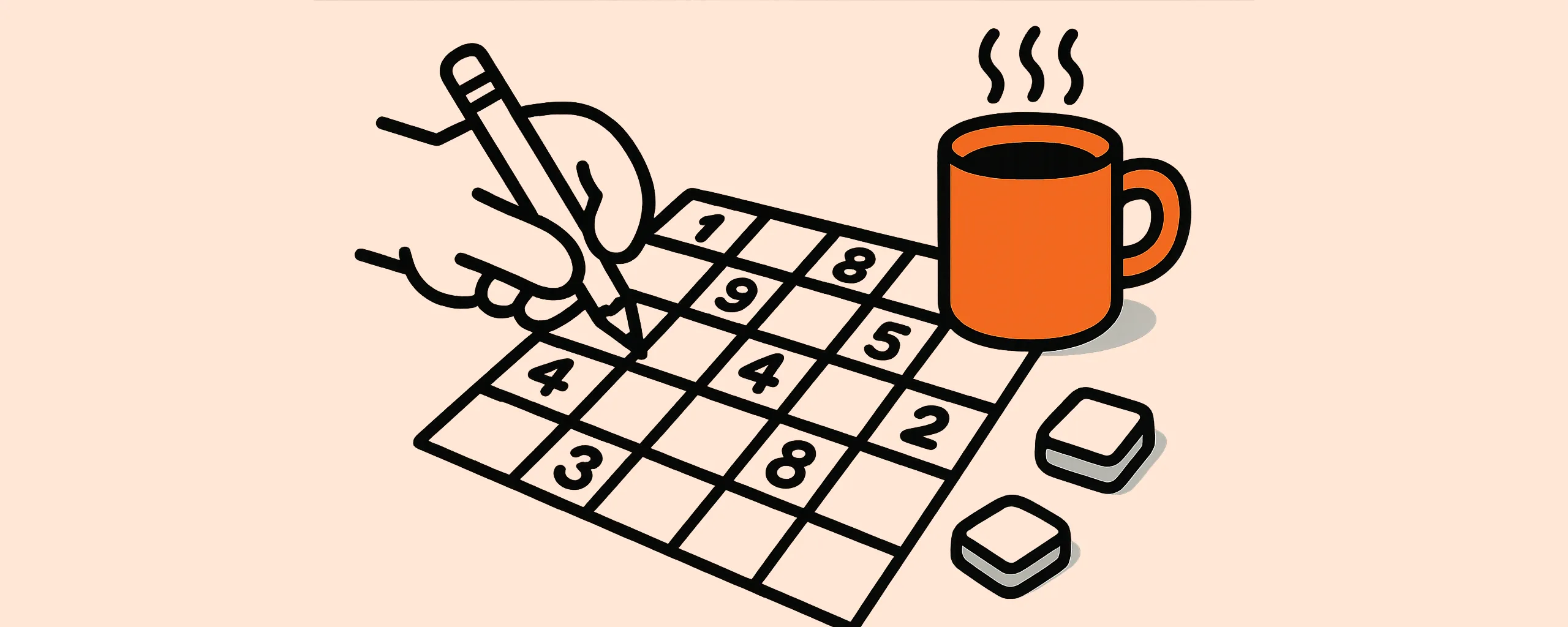
A daily puzzle sidesteps the whole problem by simply being fun, which means it costs you almost no willpower at all. You're not forcing yourself. You're treating yourself, and the brain benefits ride along for free. That's not a compromise on the workout. That's the smartest possible version of it.
How to actually start
Keep it stupidly simple. Pick one puzzle, play it once tomorrow, and pay attention to how you feel right after. Most people notice a small lift, a little spark of "okay, I'm awake now," that beats the foggy feeling a scroll session leaves behind. Chase that feeling.
Then, if you want, add a second puzzle of a different type for variety. Five minutes, maybe ten if you're enjoying it. The goal is never to maximize and optimize until it feels like work again. The goal is to find the mental workout you'll still be doing a year from now, precisely because you never dreaded it for a single day.